

 See My Latest Article on HelloNation
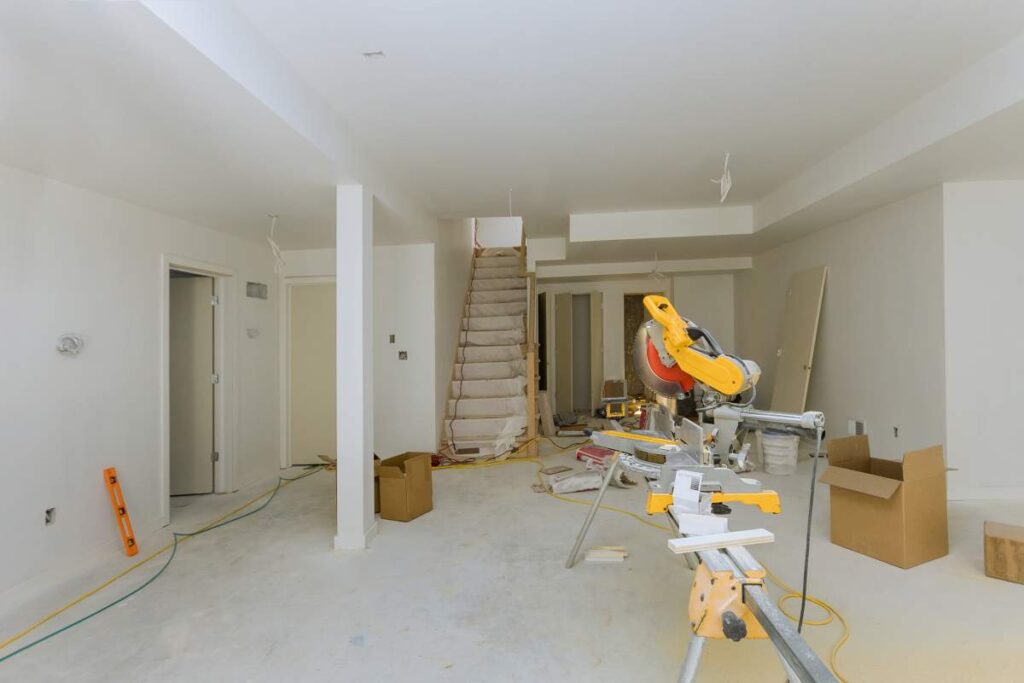
Which home upgrades usually help a property sell faster?
The upgrades most likely to support a faster sale are those that improve condition, remove visible maintenance concerns, and make the home easier for buyers to picture themselves living in. In many cases, modest improvements to paint, lighting, flooring, curb appeal, kitchens, bathrooms, and outdoor spaces offer more practical value than large, highly personalized renovations.
Buyers often make decisions quickly, especially when comparing several homes at once. A property that appears clean, maintained, bright, and move-in ready can stand out before a buyer evaluates more expensive features.
That does not mean every improvement will produce a higher sale price. The strongest choices are usually the ones that address obvious drawbacks without making the home unusually specific to one taste.
Should homeowners repaint before listing?
Fresh, neutral paint can help a home feel cleaner, brighter, and better maintained. It is particularly useful when walls show scuffs, fading, strong colors, water marks, or mismatched touch-ups.
Soft whites, warm neutrals, and light gray-beige tones are generally easier for buyers to accept than bold colors. A consistent color palette also helps rooms feel connected, which can make the interior appear more orderly.
Painting may be worthwhile in:
- Entryways and hallways that receive heavy traffic
- Living areas with visible wear
- Kitchens and bathrooms with dated or dark wall colors
- Bedrooms painted in highly personal shades
- Ceilings or trim that look yellowed or neglected
Repainting is less urgent when the existing finish is clean, neutral, and in good condition. In that situation, cleaning walls and repairing small holes may be enough.
Which repairs should be completed before cosmetic remodeling?
Basic repairs generally deserve attention before decorative upgrades. Buyers may overlook older finishes, but they are more likely to question a home with dripping faucets, damaged doors, loose railings, cracked caulk, broken switches, or signs of moisture.
A practical pre-sale repair review can include:
- Leaking plumbing fixtures
- Running or unstable toilets
- Doors that do not close properly
- Loose cabinet hinges and drawer fronts
- Damaged screens, railings, or steps
- Peeling caulk around tubs and sinks
- Stained ceilings or soft flooring
- Nonfunctioning lights, fans, or exhaust vents
Moisture deserves special attention in Hilton Head because humid weather, heavy rain, and coastal exposure can make small maintenance problems more noticeable over time. A repaired stain without addressing its source may create more concern than the original issue.
Electrical, structural, or water-related hazards should be evaluated carefully because they may involve safety and code requirements.
Is a kitchen remodel necessary to sell faster?
A complete kitchen remodel is not always necessary. Many homes benefit more from a clean, functional kitchen with updated surfaces than from an expensive redesign.
Potential improvements include repainting cabinet doors, replacing worn hardware, installing brighter lighting, repairing damaged countertops, updating a dated backsplash, or replacing visibly worn flooring. The goal is to improve condition and function without making the room look overbuilt for the home.
A full replacement may be difficult to recover if the design is highly customized or significantly more expensive than comparable homes in the surrounding market. Buyers often care about storage, workflow, appliance condition, and cleanliness more than premium materials alone.
Kitchens should also be evaluated in relation to the property’s age and overall finish level. A modest home with a dramatically upscale kitchen may not receive the same return as a home that is improved consistently throughout.
Do bathroom upgrades make a meaningful difference?
Bathrooms can influence buyer confidence because they reveal how well a home has been maintained. Small improvements may have a noticeable effect when the room is functional but visually tired.
Useful updates can include:
- Replacing cracked mirrors or worn light fixtures
- Renewing grout and caulk
- Repairing loose towel bars and hardware
- Installing a new shower curtain or simple glass enclosure when appropriate
- Replacing a damaged vanity top
- Improving ventilation
- Deep cleaning tile, fixtures, and floors
A bathroom does not need to look luxurious to make a good impression. It should feel dry, clean, well-lit, and free of visible deterioration. In a humid coastal environment, effective ventilation and sound caulking are especially important.
Does flooring affect how quickly a home sells?
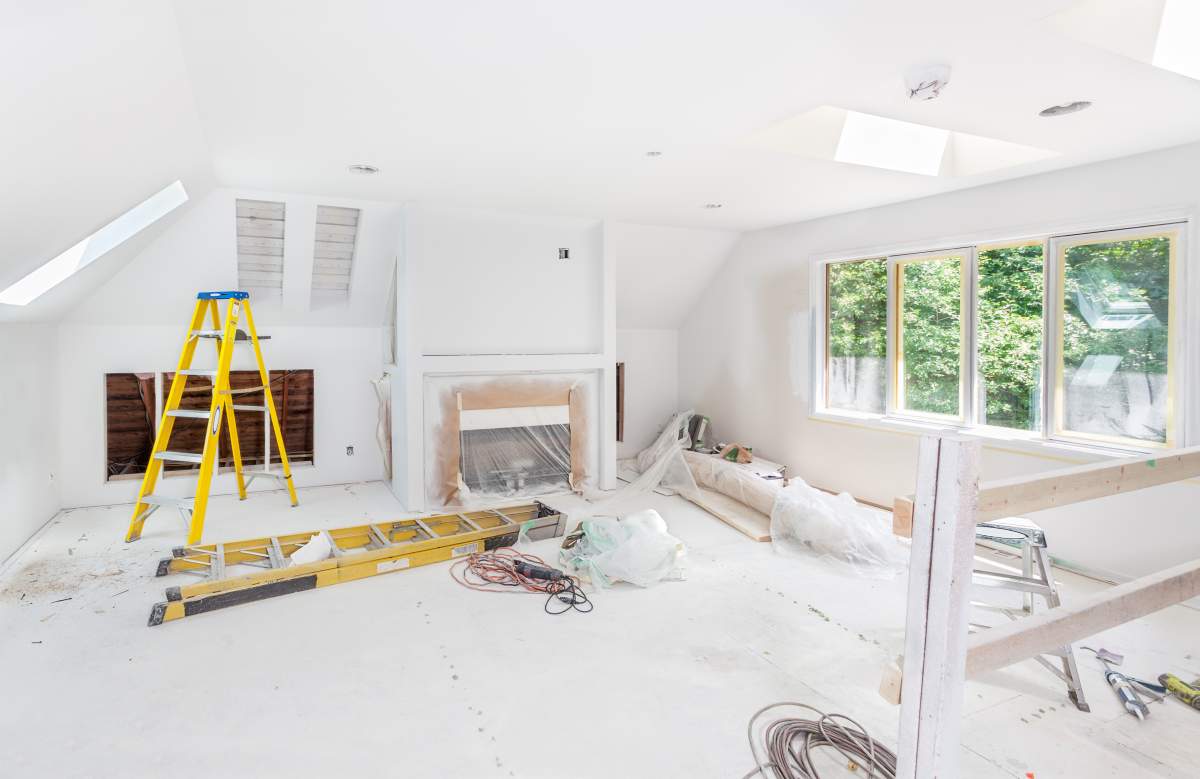
Flooring can strongly affect a buyer’s first impression because it covers a large visual area. Worn carpet, mismatched materials, deep scratches, or damaged flooring may make buyers assume that other maintenance has been postponed.
Replacing every floor is rarely necessary. Prioritize areas with:
- Heavy wear or staining
- Uneven transitions
- Water damage
- Strong odors
- Visibly outdated materials
- A confusing mixture of flooring types
If existing floors are sound, professional-level cleaning, refinishing, or minor repairs may be more sensible than replacement. Consistency between connected rooms can also make the interior feel larger and more cohesive.
For homes near the coast, flooring should be practical for sand, moisture, and frequent indoor-outdoor activity. Durable, easy-to-clean materials may appeal to buyers more than delicate finishes that require extensive upkeep.
How much does curb appeal matter?
Curb appeal affects whether buyers feel interested before they enter the home. The most helpful improvements are usually simple: clean walkways, trimmed plantings, fresh mulch or gravel, working exterior lights, a clean entry door, and visible house numbers.
Exterior surfaces should be checked for mildew, peeling paint, damaged trim, and worn caulk. Humidity, salt air, wind, and storms can accelerate exterior wear, so neglected outdoor details may be more noticeable than they would be in a drier climate.
Landscaping should look maintained rather than overdesigned. Overgrown plants can hide windows, walkways, drainage features, or exterior damage. Removing unnecessary clutter often improves appearance more than adding new decorative elements.
Are outdoor living spaces worth improving?
Outdoor areas can be meaningful selling features, particularly for households that value screened porches, patios, decks, balconies, or shaded seating areas. The space does not need to be elaborate. It should be clean, safe, and easy to understand.
Useful improvements may include repairing loose boards, washing exterior surfaces, replacing damaged screens, improving lighting, and arranging furniture to show how the space can be used. If drainage problems, standing water, or unstable steps are present, those concerns should take priority over decoration.
Buyers may also pay attention to how outdoor spaces handle sun, rain, insects, and coastal weather. A comfortable, well-maintained area can help a home feel more suitable for year-round living.
Which improvements are less likely to pay off?
Highly personal or expensive changes are less predictable before a sale. Examples include bold wallpaper, unusual tile patterns, luxury fixtures that exceed the neighborhood’s typical standard, major room conversions, and elaborate landscaping that requires ongoing care.
Swimming pools, additions, and full floor-plan changes can appeal to specific buyers but may not shorten the selling timeline. They also involve larger budgets, permits, maintenance expectations, and potential inspection questions.
Before starting a project, consider three questions:
- Does the upgrade correct a visible problem?
- Will most likely buyers understand its value immediately?
- Is the cost proportionate to the home and nearby properties?
If the answer is no to all three, cleaning, repairing, decluttering, or improving presentation may be the better choice.
What should be done first?
A sensible order is to address safety and water issues first, followed by repairs, deep cleaning, paint, lighting, flooring, and selected kitchen or bathroom improvements. Exterior maintenance and outdoor spaces should be reviewed alongside interior work.
The most sale-supportive preparation is usually not the most expensive. A home that feels dependable, comfortable, and carefully maintained gives buyers fewer reasons to hesitate and fewer immediate projects to add to their mental budget.