

 See My Latest Article on HelloNation
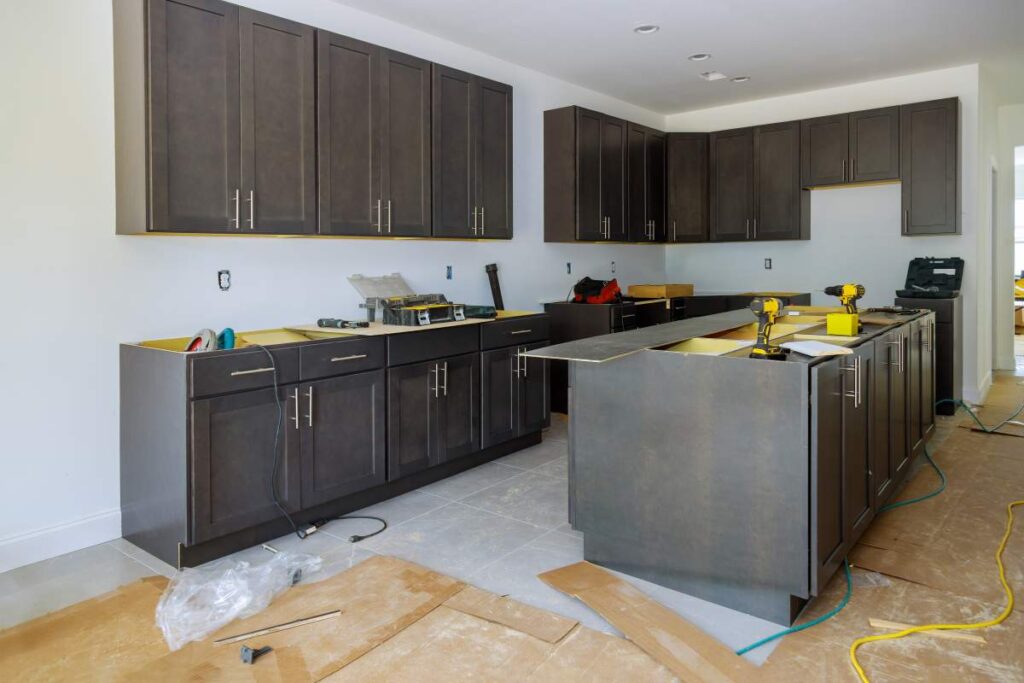
Modern home lighting is most effective when it combines comfort, visibility, energy efficiency, and flexibility. A well-planned lighting system should support everyday activities, complement the architecture, and respond to the coastal climate and indoor-outdoor lifestyle common in Hilton Head.
Rather than relying on a single bright ceiling fixture, modern rooms typically use several layers of light. Ambient lighting provides general illumination, task lighting helps with specific activities, and accent lighting highlights architectural or decorative features.
What are the main types of lighting used in modern homes?
The three basic lighting layers are ambient, task, and accent lighting. Using them together creates a more balanced room than depending on one overhead source.
- Ambient lighting provides overall visibility. Recessed ceiling fixtures, flush-mount lights, cove lighting, and well-positioned pendants can serve this purpose.
- Task lighting is directed toward activities such as food preparation, reading, grooming, or desk work. Under-cabinet fixtures, vanity lights, adjustable wall sconces, and reading lamps are common examples.
- Accent lighting adds visual interest by drawing attention to artwork, shelving, textured walls, plants, or architectural details.
A kitchen may use recessed fixtures for general illumination, linear lights beneath cabinets for countertops, and pendants over an island for visual emphasis. In a bedroom, soft ceiling light can be combined with bedside sconces and low-level accent lighting.
How can lighting make a modern room feel more comfortable?
Comfort depends on brightness, color temperature, glare control, and the location of the light source. A room can be technically bright enough but still feel unpleasant if fixtures shine directly into the eyes or reflect harshly from floors and countertops.
For most living areas, warm or neutral-white light is generally more comfortable than very cool light. Bulbs in the approximate range of 2700K to 3000K often create a relaxed appearance, while 3500K to 4000K may be useful in work areas where clearer visual contrast is helpful.
Dimmers are especially valuable because the ideal brightness changes throughout the day. A kitchen may need strong illumination during meal preparation but softer light during an evening gathering. Dimming also allows residents to reduce glare from glossy surfaces and large windows.
Light sources should be placed where they illuminate a surface rather than the eyes. In kitchens, fixtures positioned too far behind a person can cast shadows across the counter. In bathrooms, lighting at both sides of a mirror usually produces more even facial illumination than a single fixture above it.
Are recessed lights the best choice for modern homes?
Recessed lights can provide a clean appearance, but they are not automatically the best option for every room. Their effectiveness depends on spacing, beam angle, ceiling height, insulation conditions, and the purpose of the space.
Too many recessed fixtures can make a ceiling look crowded and may create a flat, overly bright environment. A smaller number of carefully positioned fixtures, supplemented by wall or task lighting, often produces a more comfortable result.
In remodeled homes, recessed fixtures also require attention to the ceiling structure and insulation. Fixtures installed near roof spaces must be properly rated and sealed to reduce unwanted air movement and moisture concerns. In humid coastal conditions, airtight installation is particularly useful for maintaining indoor comfort and limiting pathways for condensation.
Surface-mounted fixtures, pendants, and wall sconces can provide similar illumination without placing as many openings in the ceiling. These options may be helpful where access above the ceiling is limited or where a lower-profile renovation is preferred.
What lighting works well in kitchens?
Kitchen lighting should eliminate shadows on work surfaces while adding visual warmth. A layered arrangement is usually more effective than a grid of ceiling lights.
Under-cabinet lighting is one of the most practical improvements because it places illumination directly on counters. Fixtures with diffusers reduce bright points and provide smoother light across the work area. If upper cabinets do not reach the ceiling, low-intensity lighting above them can add a soft architectural glow.
Pendant fixtures over an island can provide both task lighting and a focal point. Their height should allow clear sightlines across the room, and their size should relate to the island rather than overwhelm it. In homes with open floor plans, lighting controls should make it possible to operate the kitchen separately from adjoining living areas.
How should bathrooms and bedrooms be lit?
Bathrooms benefit from even, low-glare lighting near the mirror, combined with general ceiling illumination. Side-mounted sconces or vertical fixtures can reduce shadows that commonly appear when all light comes from above. Enclosed fixtures are appropriate in areas exposed to water or high humidity, provided they are rated for the location.
Bedrooms generally need softer, layered lighting. A central fixture can provide general visibility, while bedside sconces or adjustable reading lights reduce the need for a bright overhead fixture at night. Low-level pathway lighting can also make nighttime movement safer without fully illuminating the room.
For homes used seasonally or rented for part of the year, simple controls and clearly labeled switches are practical. Complicated systems may be underused if guests or occasional occupants cannot understand them quickly.
What should homeowners consider for outdoor lighting?

Outdoor lighting should improve visibility without creating glare, excessive brightness, or disturbance for neighbors and wildlife. Shielded fixtures direct light downward and reduce light spilling into windows or the night sky.
Covered entries, walkways, stairs, patios, and outdoor kitchens each require different levels of illumination. Motion sensors can be useful for service areas and side paths, while lower-intensity fixtures may be more appropriate for regularly used porches or entertaining spaces.
Coastal air, salt exposure, wind, and heavy rain can shorten the life of outdoor fixtures and electrical connections. Exterior equipment should be rated for its location, installed with suitable corrosion-resistant materials, and positioned so water does not collect around connections. Outdoor lighting should also be checked after major storms for loose fixtures, damaged wiring, or water intrusion.
Landscape lighting is most effective when it reveals changes in grade, steps, tree structure, or planting beds rather than uniformly flooding the entire yard. Excessive brightness can reduce visibility by creating sharp contrasts and may interfere with the darker surroundings that help residents see beyond the immediate property.
Are smart lighting controls worth using?
Smart controls can be useful when they solve a specific problem, such as managing hard-to-reach fixtures, creating evening scenes, or reducing unnecessary energy use. They are most practical when basic wall switches still operate the lights normally.
Useful features may include:
- Timers for exterior and entry lighting
- Occupancy or vacancy sensors in utility rooms and hallways
- Dimming scenes for cooking, dining, or relaxation
- Vacation settings that vary lighting during extended absences
- Remote status checks for lights left on accidentally
A connected system should not replace safe wiring, proper fixture ratings, or accessible manual controls. Homes with unreliable internet service, frequent visitors, or multiple occupants may benefit from straightforward dimmers and sensors rather than a highly complex system.
How can lighting reduce energy use?
Efficient lighting begins with using only as much illumination as a room requires. LED fixtures and bulbs generally use less electricity and produce less heat than older technologies, but efficiency also depends on controls and fixture placement.
Daylight should be considered during planning. Large windows and bright coastal conditions can provide useful daytime illumination, but direct sun may create glare and heat. Adjustable shades, light-filtering window treatments, and carefully positioned interior fixtures can help balance natural and electric light.
The most durable plan is usually one that combines efficient fixtures, dimming, sensible controls, and maintenance access. Before remodeling, residents should identify where shadows occur, which rooms are used after dark, and whether existing switches are placed conveniently. Those observations often reveal more than choosing fixtures by appearance alone.