

 See My Latest Article on HelloNation
What does soundproofing actually do?
Soundproofing reduces the amount of sound that travels between rooms or enters a home from outside. It does not make a room completely silent, but it can make everyday noise less distracting by limiting sound transmission, absorbing echoes, and sealing gaps where sound slips through.
For households in Hilton Head, SC, unwanted noise may come from several directions: nearby vehicles, outdoor mechanical equipment, neighboring homes, televisions, plumbing, hard flooring, or seasonal activity. The right solution depends on the type of noise and the path it takes through the home.
Two basic principles guide most improvements:
- Blocking sound: Adding mass, improving airtightness, or separating building materials can reduce sound passing through walls, doors, ceilings, and floors.
- Absorbing sound: Soft furnishings, acoustic panels, rugs, and curtains reduce echoes inside a room but usually do not stop loud sounds from entering or leaving.
A thick rug may make a room feel quieter, while a sealed, heavier door may do more to block sound from an adjacent hallway.
How can you identify the source of the noise?
Start by listening at different times of day and standing in several locations. Sound may appear to come from one wall while actually traveling through a ceiling, floor, duct, window, or connected framing.
A simple inspection can reveal useful clues:
- Place a hand near door edges, window sashes, and electrical outlets while another person speaks nearby.
- Notice whether the noise is strongest near a shared wall, an exterior window, or a ceiling.
- Listen for vibration from air-conditioning equipment, plumbing, appliances, or fans.
- Check whether footsteps and dropped objects are louder below rooms with hard flooring.
- Compare noise levels with doors and windows closed versus open.
Low-frequency sounds, such as bass, engines, and mechanical vibration, are difficult to block with lightweight materials. Voices and television noise are often easier to reduce by sealing gaps and adding mass.
Which improvements help most with doors and windows?
Doors and windows are frequent weak points because even small air gaps allow sound to pass through. A solid, tightly fitted door generally blocks more sound than a lightweight hollow interior door.
Useful improvements include:
- Installing perimeter weatherstripping around the door.
- Adding a door sweep or threshold seal at the bottom.
- Replacing a hollow interior door with a heavier solid-core door where appropriate.
- Sealing cracks around the door frame without preventing normal operation.
- Using layered window treatments to reduce reflected sound and some outdoor noise.
- Checking that window locks pull the sash tightly against its seals.
Curtains can soften sound inside a room, but they do not replace a properly sealed window. If outdoor noise remains strong, window condition, glass thickness, framing, and air leakage all matter. In humid coastal conditions, damaged seals and moisture-related deterioration deserve attention before adding interior finishes.
Can walls be soundproofed without opening them?
Some sound reduction is possible without removing drywall, although major improvements often require access to the wall cavity. The first step is sealing obvious openings around outlets, switches, trim, and pipe penetrations. These small gaps can undermine an otherwise substantial wall.
Interior furnishings also help:
- Place bookcases or storage cabinets against a shared wall.
- Use upholstered furniture rather than relying only on hard surfaces.
- Add fabric wall hangings or purpose-built acoustic panels to reduce reverberation.
- Avoid leaving large, bare wall areas opposite one another in rooms where voices or television sound echo.
These measures mostly improve room acoustics and may provide modest sound reduction. They are less effective against loud plumbing, bass, or impact noise traveling through the structure.
For more extensive remodeling, wall assemblies may be improved with additional layers of drywall, resilient channels, insulation, or separated framing. The design must account for outlets, baseboards, heating and cooling penetrations, and any path that could allow sound to bypass the new materials.
What role does insulation play?
Insulation inside a wall or ceiling cavity can reduce airborne sound, particularly voices and television noise. It works by slowing sound energy as it moves through the cavity, but insulation alone does not create a fully soundproof wall.
The assembly matters more than any single material. Results are typically better when insulation is combined with:
- Airtight drywall or panel layers.
- Sealed electrical and plumbing penetrations.
- Heavier doors or wall surfaces.
- Framing methods that reduce direct vibration.
- Careful treatment of ceiling, floor, and adjoining walls.
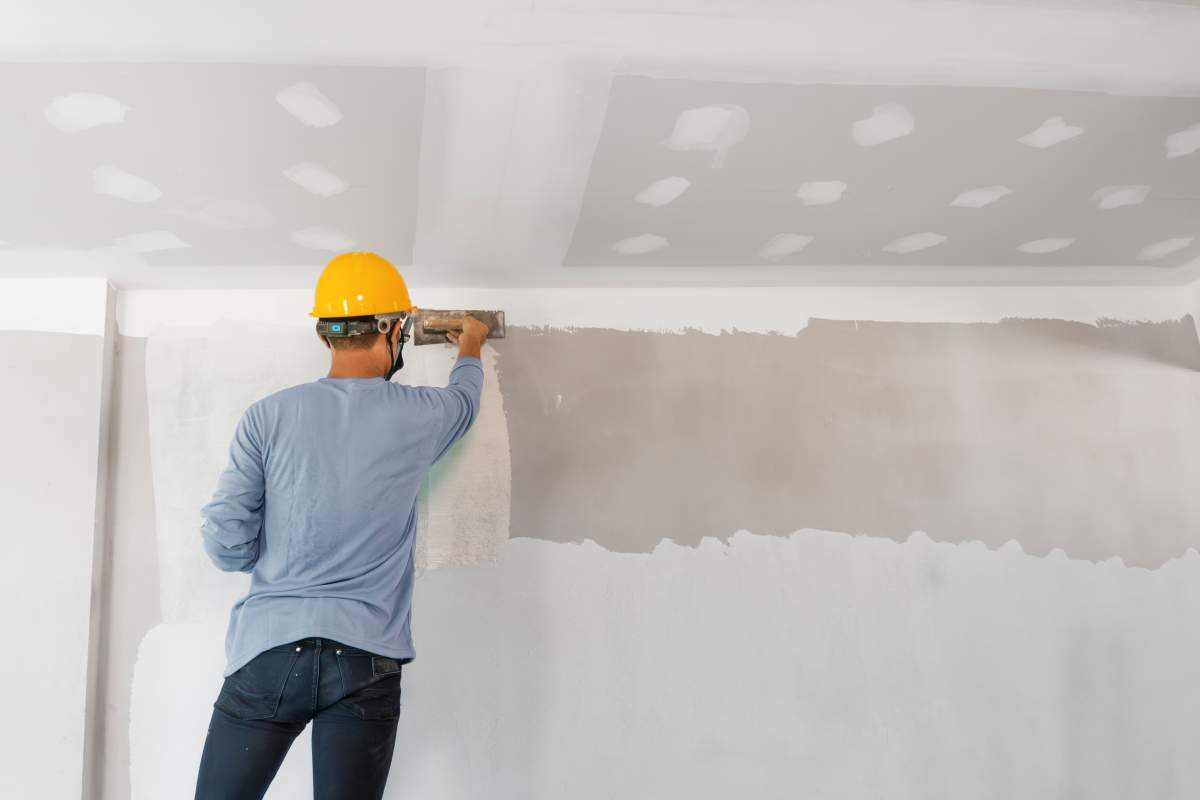
Adding insulation to one section of a wall may produce disappointing results if sound continues through the ceiling, floor, adjacent wall, or ductwork. Sound follows the easiest available path, including routes that are not visible.
How can floors and ceilings be made quieter?
Impact noise is created when something strikes a surface. Footsteps, furniture movement, children playing, and dropped objects are common examples. Soft floor coverings are often the most practical first measure.
Area rugs with dense pads can reduce footfall noise and limit the sharp sound caused by objects hitting hard flooring. Felt pads under furniture legs can also reduce scraping and vibration. In rooms above another living area, resilient underlayment beneath new flooring may help, but the result depends on the existing floor structure and installation details.
Ceiling treatments can reduce echo within a room, but they may not stop heavy impact noise from an upper floor. A ceiling upgrade may involve added mass, resilient attachment, cavity insulation, or a combination of methods. Recessed lights, vents, plumbing, and electrical work must be considered because each opening can create a sound path.
What should homeowners consider in a coastal climate?
Humidity, salt-laden air, storms, and strong air-conditioning use can affect soundproofing materials and the building envelope. Gaps around windows and doors may worsen as sealants age or moisture affects surrounding materials.
Before adding acoustic finishes, inspect for:
- Water stains or soft drywall.
- Mold or persistent musty odors.
- Deteriorated window and door seals.
- Corrosion near exterior openings or mechanical equipment.
- Moisture entering around penetrations, vents, or roof-to-wall transitions.
Soundproofing should not block required ventilation, drainage, access panels, or safety equipment. Covering vents or sealing openings that serve a necessary building function can create moisture, indoor-air-quality, or equipment problems.
Are acoustic panels the same as soundproofing?
No. Acoustic panels primarily control reverberation inside a room. They can make speech clearer and reduce the harshness of reflected sound, but they usually do not stop a loud neighbor, passing vehicle, or air-conditioning unit from being heard through a wall.
A useful distinction is:
- Acoustic treatment: Reduces echo and improves the way sound behaves inside a room.
- Sound isolation: Reduces sound moving between rooms or through the building envelope.
Many homes benefit from both. A television room may need softer surfaces to reduce echo, while a bedroom beside a noisy hallway may benefit more from door seals and a heavier door.
What is a sensible order of improvements?
Begin with the least disruptive changes: locate the noise path, seal air gaps, adjust door and window seals, add rugs or pads, and rearrange furnishings. These steps are relatively easy to evaluate.
If noise remains disruptive, consider whether the problem is airborne sound, impact sound, vibration, or room echo. That distinction helps prevent spending money on the wrong type of treatment. A wall designed to block voices may not solve footstep noise, and curtains intended to soften echoes will not usually address mechanical vibration.
More invasive work deserves careful planning when it involves electrical systems, plumbing, air-conditioning equipment, moisture damage, structural changes, or required ventilation. In those situations, safety and building-code considerations should guide the design before walls or ceilings are opened.